
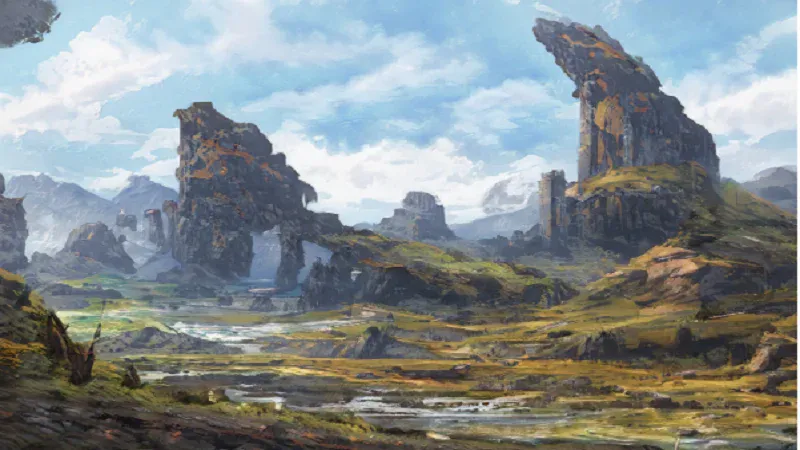
Visual content has become central to how people communicate, market products, and tell stories. In recent years, artificial intelligence has added a new option to the creative toolkit: software that can produce images from a short written description. What once required hours of drawing, photography, or editing can now begin with a single sentence. This shift has raised exciting possibilities and important questions. This article explains how the technology works, where it is used, what benefits it offers, and which limitations and ethical points deserve attention.
Understanding How AI Image Generation Works
An AI art generator is a software tool that creates original images from text prompts, reference pictures, or a mix of both. Instead of copying existing artwork, it relies on a trained model that has learned statistical patterns in visual data. When a person types a description, the model interprets the words and builds an image that matches the request as closely as it can.
Most modern systems use a method called diffusion. During training, the model learns how images gradually dissolve into random noise, and then it learns to reverse that process. When generating a new picture, it starts with noise and removes it step by step, guided by the meaning of the prompt. Another component links language and visuals so that words such as “foggy harbor at dawn” translate into colors, shapes, and lighting. Earlier approaches, such as generative adversarial networks, used two competing models to refine results, but diffusion has become the more common choice because of its stability and quality.
Common Uses Across Industries
The practical applications of AI image generation extend well beyond hobby projects. Marketing teams use it to draft campaign concepts, social media graphics, and product mockups before committing to a full photoshoot. Publishers and bloggers create custom illustrations for articles when stock photography feels generic.
In design fields, architects and interior designers generate mood boards and visual concepts to discuss ideas with clients early in a project. Game developers and filmmakers use the technology for concept art, character exploration, and environment sketches. Educators can produce diagrams or historical scenes to make lessons more engaging, while small business owners can build logos, menus, and promotional material without a large design budget.
Benefits for Creators and Businesses
The most obvious advantage is speed. A concept that might take days to sketch can be explored in minutes, which allows many variations to be tested quickly. This makes brainstorming more flexible, since people can reject weak directions at almost no cost.
Cost is another factor. Independent creators and small organizations often lack the budget for commissioned artwork or professional photography. Image generation tools lower that barrier and let more people visualize their ideas. Accessibility also matters, because people who lack traditional drawing skills can still express a vision, and people with physical limitations can create visuals through language rather than manual tools.
Finally, these tools support iteration. A designer can adjust a prompt, change the style, or refine a draft repeatedly until it fits the project. Many professionals treat the output as a starting point and then finish the work in conventional editing software.
Limitations and Ethical Considerations
Despite rapid progress, the technology has clear weaknesses. Models can struggle with fine details such as hands, readable text inside images, or accurate counts of objects. They may also misunderstand complex prompts or produce results that look polished but contain subtle errors. Human review remains necessary, especially for work that will be published or sold.
Ethical questions are equally important. Many models were trained on large collections of images gathered from the internet, and artists have raised concerns about whether their work was used without permission or compensation. Legal frameworks around copyright and ownership of generated images are still developing, and rules differ from country to country. Anyone using these tools commercially should read the terms of service carefully and stay informed about local regulations.
There is also the risk of misuse. Realistic synthetic images can be used to spread misinformation or create misleading content. In response, researchers and companies are developing watermarking and provenance standards that help identify images created by AI. Responsible use includes being transparent when an image is synthetic, avoiding deceptive purposes, and respecting the rights and likeness of real people.
Bias is another challenge. Because models learn from existing data, they can reproduce stereotypes found in that data. Developers continue to work on reducing these effects, but users should review results critically and adjust prompts to promote fair and accurate representation.
Tips for Getting Better Results
Good results usually begin with a clear prompt. Describing the subject, setting, lighting, mood, and artistic style gives the model more information to work with. For example, specifying “watercolor illustration of a quiet mountain village at sunrise, soft light, muted colors” will generally produce a more focused image than a vague request.
It also helps to iterate. Generate several versions, note which elements work, and refine the wording accordingly. Many tools allow users to set aspect ratios, upload reference images, or edit specific regions, and these options can improve control. Finally, treat generated images as drafts. A small amount of editing, such as color correction, cropping, or fixing visual errors, often makes the difference between an acceptable image and a professional one.
Conclusion
AI image generation has moved quickly from a research curiosity to a practical creative resource. It offers speed, affordability, and accessibility, and it gives people new ways to explore ideas and communicate visually. At the same time, it brings real limitations and responsibilities, from technical flaws to questions about copyright, bias, and authenticity. Anyone choosing an AI art generator should combine curiosity with careful judgment, review the output with a critical eye, and respect the rights of other creators. Used thoughtfully, these tools can complement human imagination rather than replace it, and they will likely continue to shape how visual content is made in the years ahead. See More