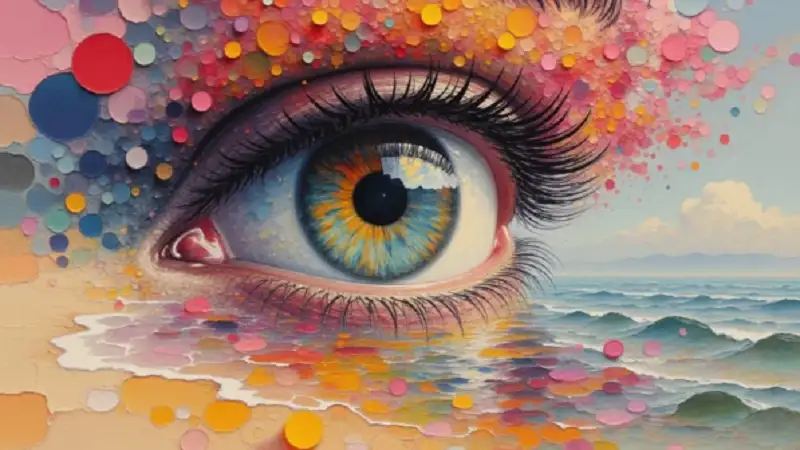
Digital art has changed significantly as technology has become more accessible. Artists no longer need to rely only on traditional drawing tools, expensive software, or advanced technical skills to turn ideas into visual content. New artificial intelligence tools are making it possible to experiment with concepts, styles, compositions, and creative techniques in a more flexible way.
AI based creative platforms can support artists, designers, marketers, educators, content creators, and hobbyists. They can help transform simple ideas into visual concepts, explore different artistic directions, and speed up parts of the creative process. However, understanding how these tools work and how to use them thoughtfully is important for anyone interested in modern digital art.
Understanding AI Art Creation
An AI art generator uses artificial intelligence models to create or transform images based on instructions, references, or other forms of input. Instead of manually producing every visual element, users can describe what they want and allow the system to interpret the description.
For example, someone might provide a description of a landscape, character, product concept, or abstract composition. The AI analyzes the words and generates an image based on patterns it learned during its development.
The results can vary depending on the wording of the instructions, the capabilities of the platform, and the type of visual being requested. This makes experimentation an important part of the process. Users may need to adjust descriptions several times before achieving a result that matches their original idea.
How AI Tools Support Creative Work
One of the biggest advantages of AI assisted art is that it can help people move from an idea to a visual concept more quickly. A designer working on a campaign, for instance, may use AI to explore several possible visual directions before deciding which concept deserves further development.
Artists can also use these tools as a source of inspiration. Rather than treating AI generated images as finished artwork, they can serve as references for composition, lighting, color combinations, environments, or visual storytelling.
For beginners, AI can make experimentation less intimidating. Someone without extensive drawing experience can explore creative concepts while gradually learning about composition, perspective, color theory, and other artistic principles.
Improving Visual Ideas Through Experimentation
Creating strong AI assisted artwork usually requires more than entering a single sentence. The quality of the result often depends on how clearly the intended concept is communicated.
Users can experiment with details such as subject, environment, lighting, mood, perspective, and artistic style. A vague description may produce a broad interpretation, while a more specific description can provide stronger creative direction.
It is also useful to review each result critically. An image may look impressive while still containing visual inconsistencies, inaccurate proportions, or unnecessary elements. Careful editing and human judgment remain important, especially when the artwork will be used for professional purposes.
This combination of AI assistance and human creativity can produce a more controlled workflow. The technology handles certain repetitive or exploratory tasks, while the creator decides what works and what should be changed.
Applications Across Different Industries
AI assisted visual creation has applications far beyond personal artwork. Businesses can use generated visuals for concept development, presentations, social media content, advertising ideas, and website graphics. Designers may use them during brainstorming before creating a final design manually.
In education, visual generation can help teachers develop illustrations for lessons or explain complex subjects through customized imagery. Writers can also use visual concepts to explore characters, settings, and scenes while developing creative projects.
The technology can be useful in product development as well. A company can experiment with packaging concepts, product appearances, or promotional environments before investing significant resources in professional photography or production.
However, organizations should always review generated content before publication. Brand requirements, factual accuracy, licensing considerations, and audience expectations should be taken into account.
Responsible Use of AI Generated Images
As AI generated art becomes more common, responsible use is increasingly important. Users should understand the terms of the platform they are using, particularly when images are intended for commercial purposes.
Copyright and ownership questions can vary depending on the platform, the source material, local laws, and how the final work was created. Businesses should therefore review relevant terms and legal guidance rather than assuming that every generated image can be used without restrictions.
Creators should also avoid using AI to misrepresent real events or people. When an image could reasonably be mistaken for an authentic photograph, appropriate context or labeling may be necessary.
Human oversight is another important consideration. AI systems can produce inaccurate details or unintended results, so generated images should be checked carefully before being shared publicly.
The Future of Digital Art and AI
AI is likely to remain an important part of the digital creative landscape. As these systems improve, they may provide more precise control over individual visual elements, editing, animation, composition, and personalized creative workflows.
This does not necessarily mean that traditional artistic skills will become irrelevant. Instead, AI can become another tool within a larger creative process. Understanding visual principles, storytelling, design, and audience expectations will continue to help creators make better decisions.
The most useful approach may be to view AI as a creative assistant rather than a replacement for human imagination. A person still determines the purpose of an image, evaluates the results, makes creative decisions, and decides how the final work should communicate with its audience.
Conclusion
Artificial intelligence is opening new possibilities for digital art by making visual experimentation faster and more accessible. From developing early concepts to exploring different styles and creating supporting visuals, AI tools can contribute to many stages of creative work.
An AI art generator can be particularly useful when creators want to explore visual ideas without starting every project from scratch. When combined with thoughtful editing, artistic judgment, and responsible use, AI can become a practical part of a modern creative workflow. The technology continues to evolve, but human creativity remains central to deciding what ideas are worth developing and how those ideas should ultimately be expressed. See More